Sequences of Layered Provider Incentives Extending Free Play Periods in Licensed Markets
Hugo Reed · Jul 7, 2026
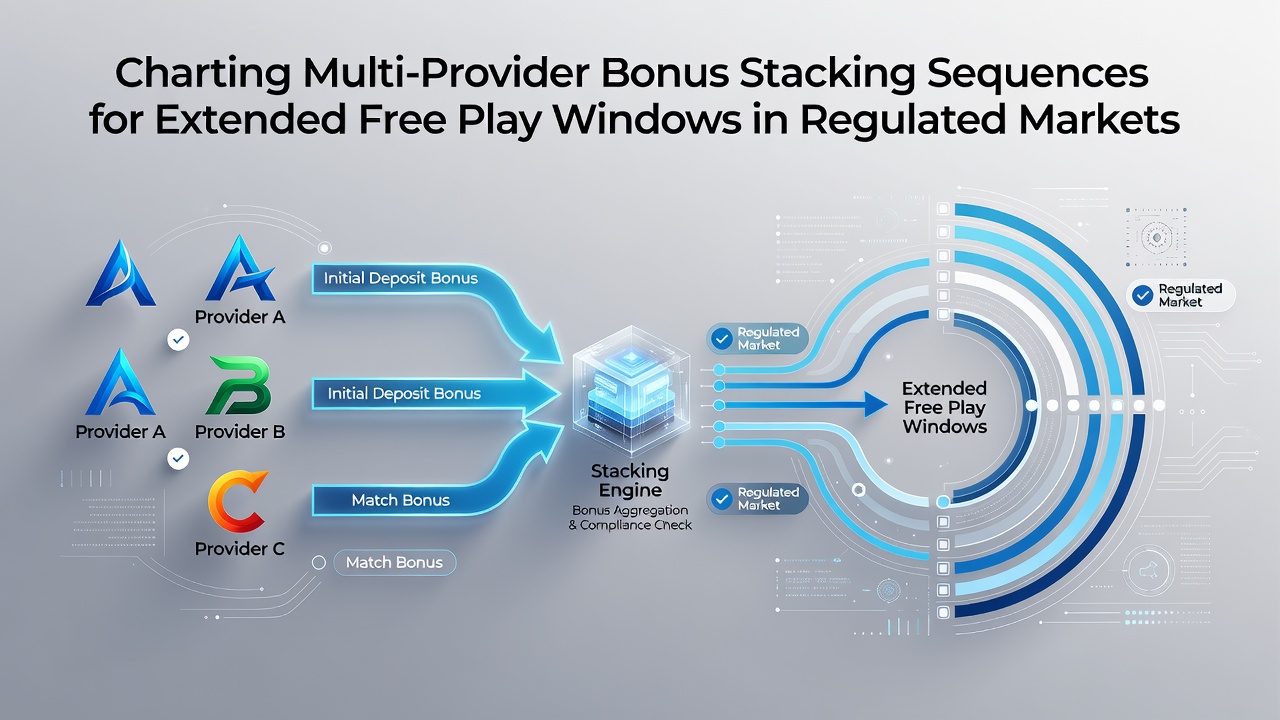
Sequences of Layered Provider Incentives Extending Free Play Periods in Licensed Markets
Operators in licensed markets structure incentives through welcome packages, reload offers, and loyalty tiers that players combine across platforms when regulations permit such activity. Data from the New Jersey Division of Gaming Enforcement shows that bonus utilization rates in Atlantic City online casinos reached 42 percent of total deposits during the first half of 2025, with multi-provider combinations accounting for a growing share of extended sessions. Observers note that these sequences require careful timing because each provider maintains distinct wagering requirements and validity windows that interact when layered together.
Core Components of Multi-Provider Incentive Structures
Each provider issues bonuses with specific mechanics including deposit matches, free spin allocations, and cashback percentages that carry unique playthrough multipliers ranging from 20x to 50x depending on jurisdiction. Research from the University of Nevada, Las Vegas International Gaming Institute indicates that sequences work most effectively when a player activates a no-deposit bonus from one operator, follows it with a matched deposit offer from a second platform, and then applies a loyalty reload from a third provider before any single window expires. Those who've studied these patterns find that alignment of expiration dates often determines whether the combined free play extends beyond the typical 7-to-14-day period common in single-provider promotions.
Regulatory Boundaries Across Jurisdictions
Licensed markets enforce rules that limit or permit stacking through licensing conditions rather than outright bans in many cases. In Ontario, the Alcohol and Gaming Commission of Ontario requires operators to disclose all bonus terms in a centralized player dashboard, which creates transparency that affects how sequences unfold across multiple sites. European markets under the Malta Gaming Authority framework allow cross-operator play when operators hold separate licenses, yet they prohibit simultaneous activation of identical bonus types from the same corporate group. Figures from the 2025 Global Gaming Report reveal that 68 percent of regulated European operators now implement automated tracking systems to prevent unintended overlaps that could violate these conditions.
Practical Charting Methods Used by Analysts
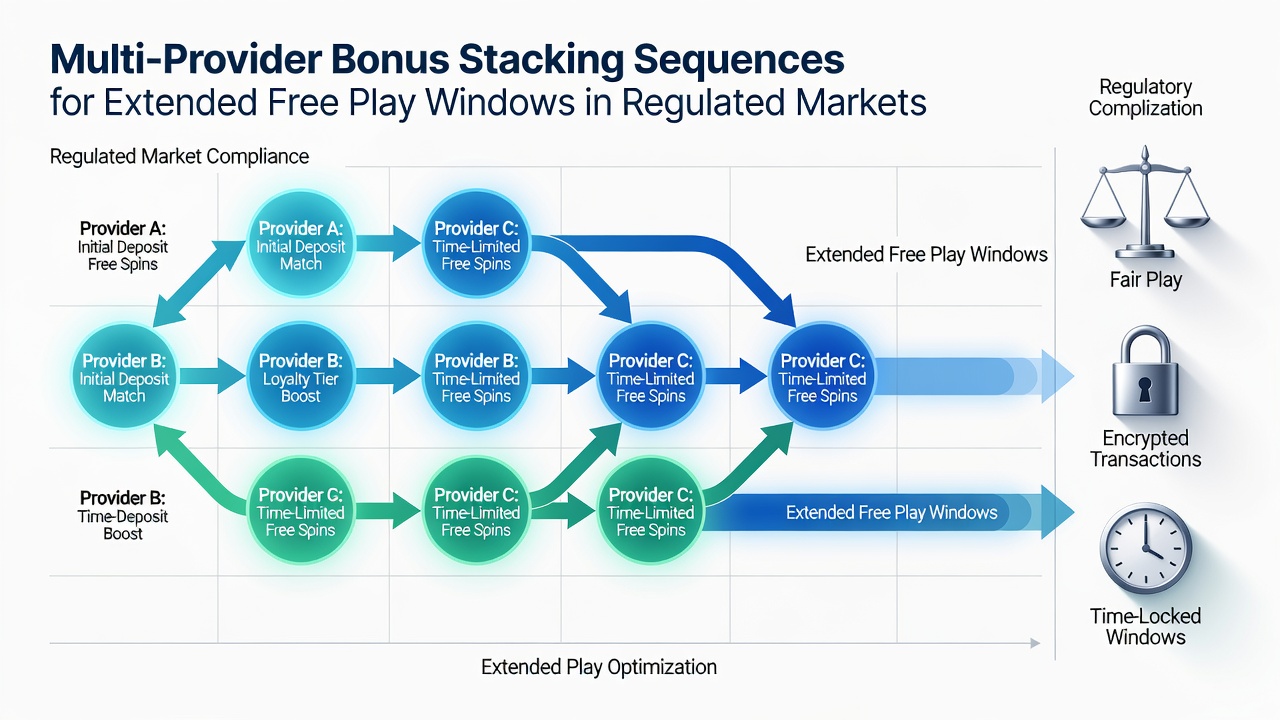
Analysts build timelines that plot activation dates, qualifying deposit amounts, and rollover progress across providers using spreadsheets or specialized software that flags potential conflicts. One documented approach involves starting with a low-volatility slot bonus from Provider A that carries a 30x requirement, then moving to a table game promotion from Provider B that accepts the remaining balance after partial completion. Data shows that successful sequences in July 2026 often incorporated mid-month reloads timed to coincide with provider-specific calendar events such as seasonal tournaments, thereby stretching available free credit without violating daily deposit caps. Those mapping these patterns emphasize verification of each provider's current terms because regulatory updates can alter eligible game contributions or maximum bet sizes mid-sequence.
Observed Patterns in Extended Play Windows
Extended sessions emerge when players synchronize the tail end of one bonus with the start of another, creating continuous credit availability that can last 21 to 35 days in favorable alignments. Reports compiled by the Canadian Gaming Association document that players who maintained detailed logs achieved average session extensions of 12 additional days compared with those using single bonuses. What's interesting is how variance in game contribution percentages across providers influences the overall timeline, since slots often contribute 100 percent while certain table games contribute only 10 percent toward requirements. Observers note that markets with centralized self-exclusion databases, such as those managed by the National Council on Problem Gambling in the United States, add another layer because exclusion periods can interrupt sequences that cross state lines.
Tracking Tools and Data Integration
Modern charting relies on exported transaction histories combined with calendar applications that highlight overlapping validity periods. Several licensed platforms now provide API access that allows third-party tools to pull bonus status in real time, reducing manual entry errors that previously disrupted sequences. Evidence from industry reports compiled in early 2026 shows integration rates climbing as more regulators mandate standardized data formats for player accounts. And because each market maintains its own reporting cadence, analysts frequently cross-reference monthly filings from multiple authorities to identify emerging patterns in bonus uptake.
Conclusion
Charting multi-provider bonus sequences demands precise coordination of terms, timelines, and regulatory constraints that differ by jurisdiction. Licensed markets continue to refine disclosure rules and tracking requirements, which in turn shapes how these layered incentives function for extended play windows. Continued monitoring of official regulatory updates remains essential for accurate mapping as conditions evolve.