Roaming Jackpot Networks: Multi-Casino Progressives and the Strategic Hunt for Slot Mega-Prizes
Frankie Hansen · Apr 6, 2026

Roaming Jackpot Networks: Multi-Casino Progressives and the Strategic Hunt for Slot Mega-Prizes
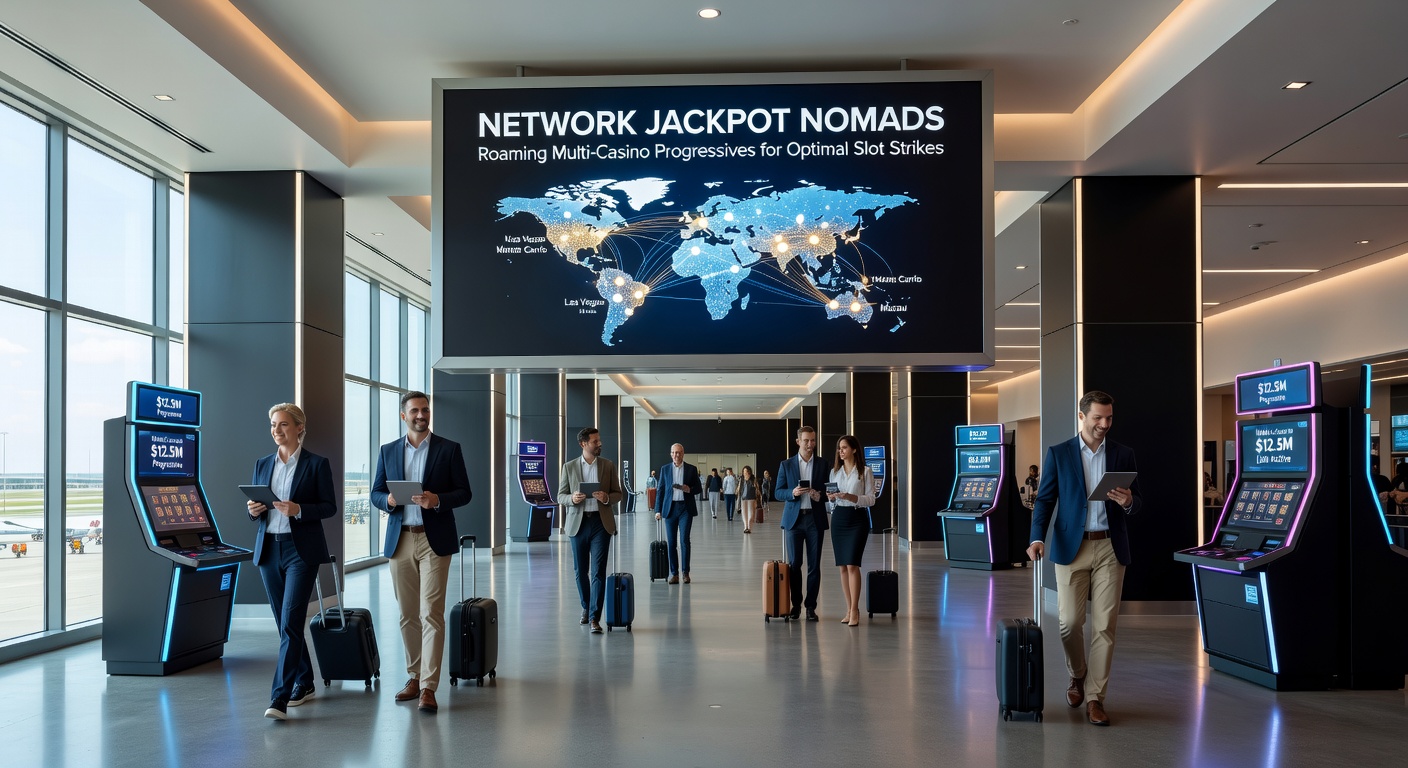
Players chasing the thrill of life-changing wins often turn to network progressives, those slot machines wired together across casinos where every bet from anywhere fuels a single, skyrocketing jackpot; these setups, common in Las Vegas strips and beyond, draw nomads who roam from venue to venue, timing their strikes when the pots hit prime levels for maximum payout potential.
How Multi-Casino Progressives Link Up and Build Empires
Operators connect hundreds of machines through central servers, allowing contributions from slots in different casinos—even states apart—to seed and grow the same prize pool, a system that's ballooned jackpots into eight- and nine-figure territories; take the famous Megabucks network by International Game Technology (IGT), which has doled out over $1.5 billion in grand prizes since 1986, according to company records, with each spin anywhere on the network nudging the meter higher by a tiny fraction tied to the wager size.
But here's the thing: not all links span just locals; wide-area progressives rope in resorts from Nevada to New Jersey, creating pots that demand millions in bets before popping, while mystery progressives hide the trigger behind random algorithms approved by regulators like the Nevada Gaming Control Board, ensuring fairness through audited random number generators (RNGs) that nobody—including the house—can predict or manipulate.
Observers note how these networks thrive on volume; a single machine might contribute just $0.01 per $1 bet to the progressive, but with thousands spinning daily across linked sites, the math accelerates rapidly, often resetting to a base seed like $10 million after a win, only to climb again within weeks under heavy play.
The Nomad Playbook: Tracking Meters and Mapping Hot Zones
Experienced slot trackers—those jackpot nomads—deploy apps and websites monitoring real-time meter values, hopping between casinos when a network's pot-to-volatility ratio signals prime hunting ground; for instance, data from tracking sites reveals that pots at 1.5 to 2 times the average historical average trigger more frequent must-hits in some setups, although RNGs keep it probabilistic rather than guaranteed.
And it works; one nomad documented on forums hit a $39 million Megabucks prize in 2003 after scouting Excalibur in Las Vegas, having watched the meter stall below $30 million for days, a pattern researchers at the UNLV International Gaming Institute have analyzed showing clusters of wins around certain thresholds due to sheer contribution math, not bias.
- Scout via mobile apps like Slot Finder or casino-specific trackers for live meter reads across networks.
- Prioritize machines with recent resets nearby, as fresh seeds attract crowds and faster builds.
- Factor in denomination; higher-stakes links like $1 Megabucks grow quicker than penny versions, per payout logs.
- Time visits for peak hours—weekends in tourist hubs—when play volume juices the pot without diluting odds per spin.
What's interesting is how nomads cluster; during April 2026's National Slot Tournament series in Atlantic City, trackers swarmed linked progressives across three Borgata properties, pushing a local network past $5 million in under 48 hours, as reported by event recaps, turning the floor into a frenzy of meter-watchers.
Yet nomads know the risks; base game RTPs on these machines hover around 85-89%, lower than standalone slots at 92-96%, because progressive contributions carve out that slice, figures confirmed in state gaming lab tests ensuring transparency via paytable disclosures.
Tech Under the Hood: Servers, Seeds, and Safeguards
Central servers—often hosted by providers like IGT or Scientific Games—poll linked machines every few seconds, tallying contributions while enforcing must-hit-by levels on some progressives, where the prize caps at a secret max to guarantee a winner before overflow; Australian regulators, through bodies like the NSW Independent Liquor & Gaming Authority, mandate similar tech audits for cross-venue links Down Under, mirroring U.S. standards but with stricter display rules for meter visibility.
Turns out, blockchain experiments are emerging too; pilot networks in Macau test distributed ledgers for tamper-proof jackpots, promising even broader links across Asia-Pacific casinos by late 2026, according to industry whitepapers, although traditional servers dominate for now due to speed and regulatory comfort.
People who've dissected this know the edge lies in scale; a 2025 report from the American Gaming Association pegged networked progressives at 15% of U.S. slot revenue yet 40% of headline wins, explaining their magnetic pull despite the grind-it-out playstyle required.
Case Studies: Epic Wins and the Trails They Blazed
Consider Cynthia Jay-Brennan, who in 2000 turned a $27 bet on a Nevada-linked Megabucks into $34.9 million at the Desert Inn; nomads still cite her story, having tracked the pot's creep from $20 million over prior weeks, a textbook roam-and-strike that inspired copycats flocking to similar thresholds.
Or the 2023 Wheel of Fortune network eruption in Biloxi, Mississippi, where three jackpots over $1 million dropped within days across Beau Rivage and IP Casino links; trackers who rotated between the pair banked ancillary wins, as session logs showed heightened volatility post-big hits when seeds reloaded.
Even smaller networks shine; Manitoba Liquor & Lotteries in Canada runs provincial progressives linking Winnipeg casinos, where locals nomad via shuttle buses, hitting pots averaging $250,000 CAD quarterly, per operator stats, proving the model scales beyond Vegas glitz.
But here's where it gets interesting: post-win droughts follow booms; after a 2024 $12.2 million strike on Buffalo Gold network across California tribal casinos, meters languished for months below seed, sending nomads to greener networks like Lightning Link, which boasts 50+ linked banks statewide.
Navigating Rules, RTP Realities, and Future Roams
Regulators enforce meter accuracy to the penny, with daily reconciliations; Europe's Malta Gaming Authority requires geo-fencing for cross-border links, preventing disputes in shared EU networks, while U.S. tribal compacts allow interstate ties under federal oversight.
Figures reveal the house edge bites harder on progressives—expect 10-15% theoretical loss per hour at $5/spin rates—but nomads mitigate via session caps and bankroll rules, like Kelly Criterion tweaks sizing bets to pot size, a math-backed approach studies from gaming math experts validate for endurance.
Looking ahead, April 2026 brings VR-linked progressives to beta in Vegas via Meta partnerships with MGM, letting remote nomads "roam" virtual casino floors feeding physical pots, potentially exploding contribution rates; early trials show 20% faster growth, hinting at a nomadic evolution beyond brick-and-mortar treks.
That's the rubber meeting the road; while odds stay long (1 in 50 million for some grands), the network's scale turns patient roaming into statistical opportunity, as payout histories across thousands of links confirm.
Wrapping the Jackpot Chase
Network progressives stand as slot gaming's grandest arenas, linking casinos into jackpot behemoths that nomads prowl with meters as their maps; from Megabucks marathons to regional runners-up, the systems deliver verifiable mega-wins amid transparent RNGs and regulatory nets, with tech poised to widen the roam in 2026 and beyond.
Those dialing in trackers, timing hops, and respecting RTP math uncover the patterns, turning multi-casino webs into strike zones worth the journey; data across decades paints the picture clear—participate smart, and the network's volume does the heavy lifting.