Cross-Platform Reward Ecosystems: How Layered Incentives Keep Users Engaged Across Devices and Operators
Hugo Reed · May 17, 2026
Cross-Platform Reward Ecosystems: How Layered Incentives Keep Users Engaged Across Devices and Operators
Operators in digital gaming environments have turned their attention toward reward structures that stretch beyond single applications or websites, and data from industry tracking services shows these efforts often correlate with extended play sessions when executed across multiple touchpoints. One might notice that successful implementations combine points, tiers, and unlockable features so that activity on a mobile app feeds directly into desktop progress and live-streamed events. Researchers tracking user behavior across regions report that such connections reduce drop-off rates during transitions between devices because accumulated value carries forward without reset.
Defining Layered Reward Webs in Practice
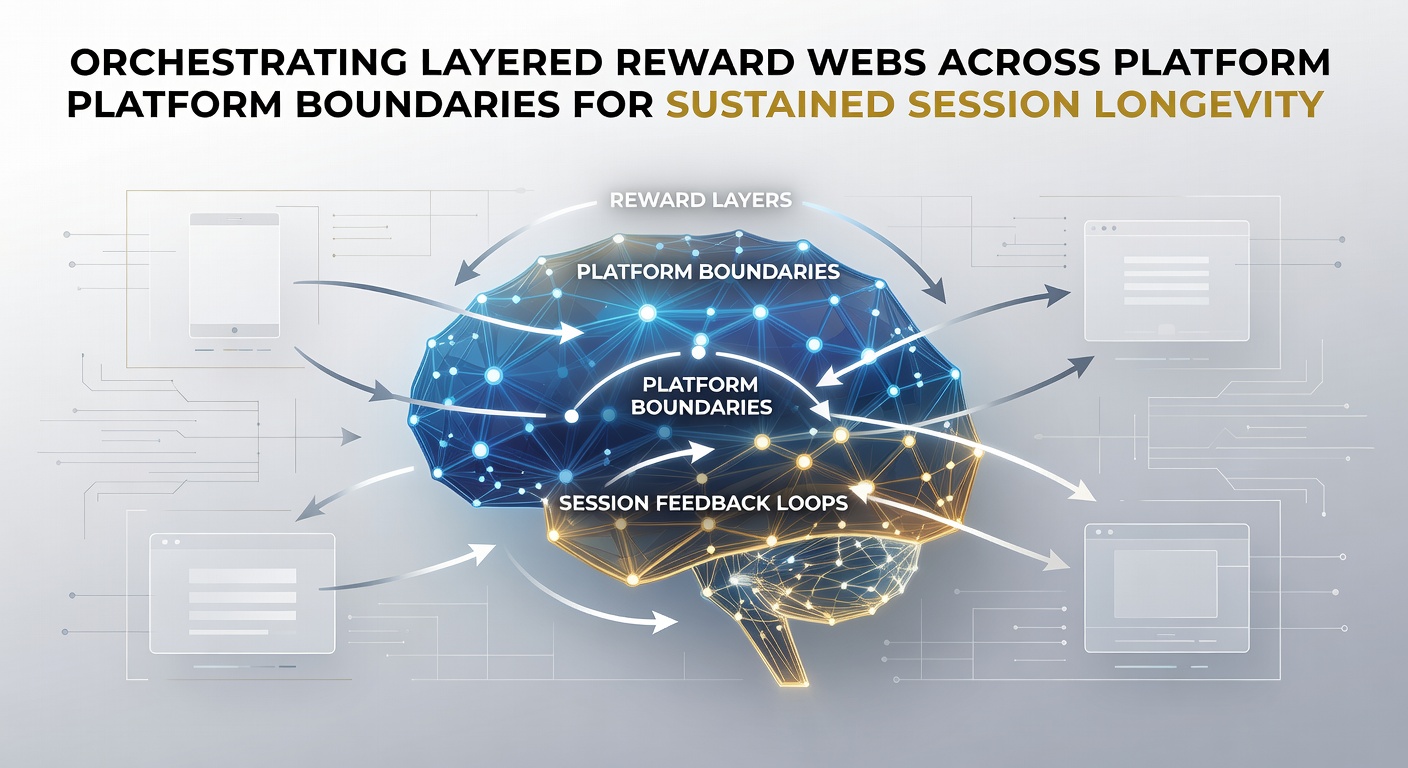
Layered reward webs function through interconnected systems where basic participation earns entry-level credits while deeper engagement unlocks secondary and tertiary benefits that remain accessible regardless of the entry point. Observers note that these webs typically include daily login streaks, achievement milestones, and collaborative challenges that draw from a shared backend database. According to reports issued by the American Gaming Association in early 2026, platforms employing unified ledgers across apps and websites recorded average session extensions of 18 to 24 minutes per user compared with isolated programs.
Take one operator who introduced a multi-tier currency that converts between casino-style games and social features without loss of value. Players accumulate base points through standard play, then convert portions into exclusive event tickets or cosmetic upgrades visible across every linked platform. This approach keeps momentum alive because the same balance applies whether someone switches from a tablet during commute hours to a home computer later in the evening.
Technical Foundations Supporting Cross-Boundary Continuity
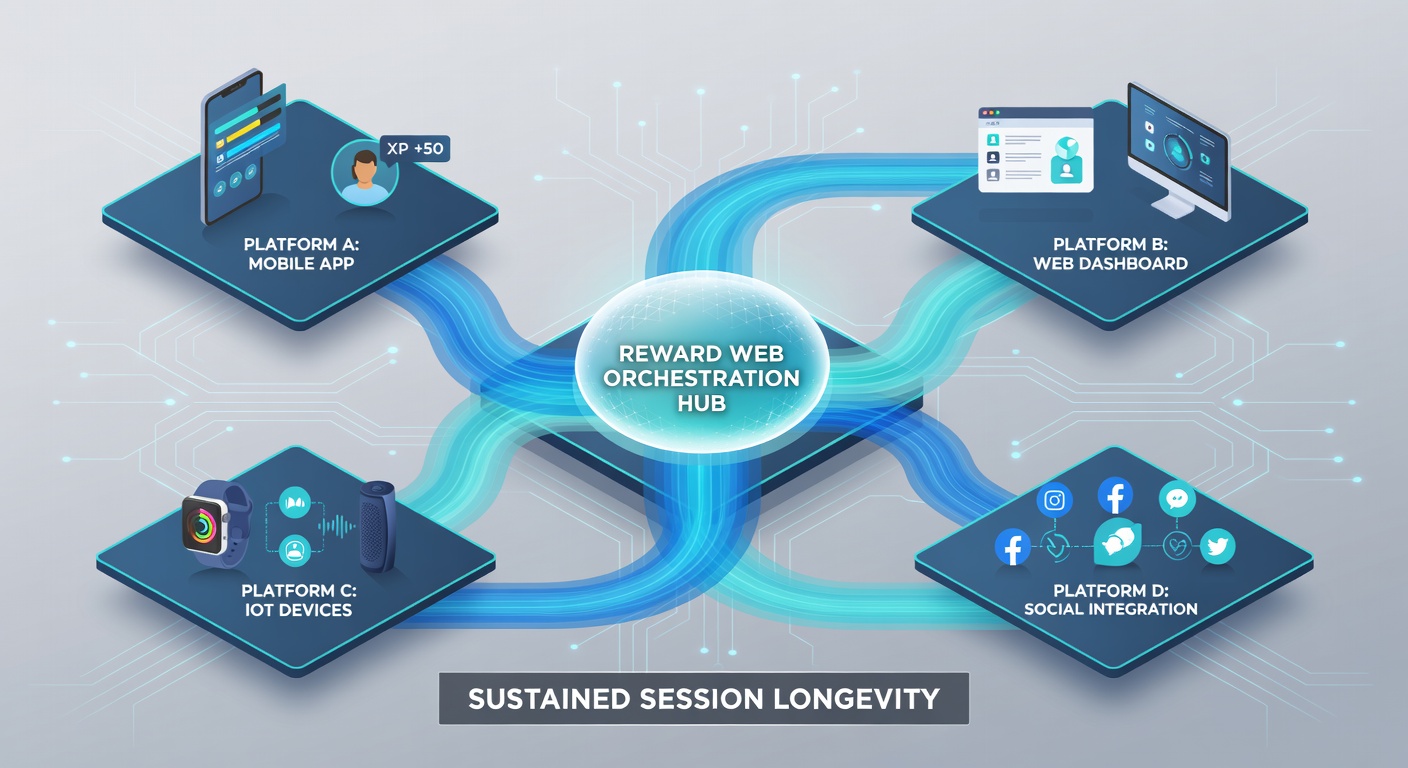
Integration relies on standardized APIs and real-time synchronization protocols that push updates within seconds of any qualifying action. Engineers design these connections so that session timers, progress bars, and eligibility flags remain consistent even when users move between operator-branded sites and third-party aggregators. Figures released by the European Gaming and Betting Association in March 2026 indicated that operators using latency-optimized sync reduced account abandonment during platform switches by roughly 31 percent.
What's interesting is how conditional triggers work across boundaries. A user might complete a set of challenges on one site that automatically qualifies them for a bonus round on another, and the system registers the completion instantly. Such mechanics rely on event-driven architecture rather than batch processing, which allows the reward web to respond within the same active session instead of forcing a wait until the next login.
Regional Examples and Emerging Patterns in May 2026
By May 2026 several North American and Australian operators had rolled out pilot programs that link rewards earned in regulated online environments with physical venue loyalty cards. Participants who play digital table games during the day can redeem accumulated status at land-based locations the same evening, creating a continuous value loop. Data compiled by the Australian Institute of Gambling Research showed that these hybrid models maintained higher repeat visitation rates than single-channel programs during the first quarter of the year.
One study revealed that users who engaged with at least three different platform types within a single reward cycle tended to extend total time spent by an average of 47 minutes. The pattern held across both high-volume and casual segments, suggesting the structure itself rather than player type drives the longevity effect.
Measurement Metrics and Optimization Techniques
Operators track session longevity through composite scores that combine time-on-device, cross-platform transitions, and reward redemption frequency. These metrics feed into dynamic adjustment algorithms that tweak reward density in real time based on observed behavior clusters. Research indicates that platforms adjusting reward layers weekly rather than monthly achieve steadier retention curves because the system stays responsive to shifting user preferences.
But here's the thing: over-complication can backfire. When too many conditional rules stack on top of each other, users lose track of how actions translate into value. Simplification of the visible interface while keeping backend complexity hidden has emerged as a recurring recommendation in technical white papers published by university gaming labs in Canada and Singapore.
Conclusion
Cross-platform reward webs continue to evolve through tighter API connections, unified ledgers, and region-specific hybrid models that blend digital and physical participation. Data from multiple regulatory and research bodies shows measurable extensions in session length when value carries seamlessly between devices and operators. Those who maintain clear progression paths while updating rules responsively appear positioned to sustain engagement without requiring constant promotional spend.