Coordinating Session Data Logs with Shifting RTP Curves in Online Slot Systems
Sofia Schmid · Jul 23, 2026
Coordinating Session Data Logs with Shifting RTP Curves in Online Slot Systems
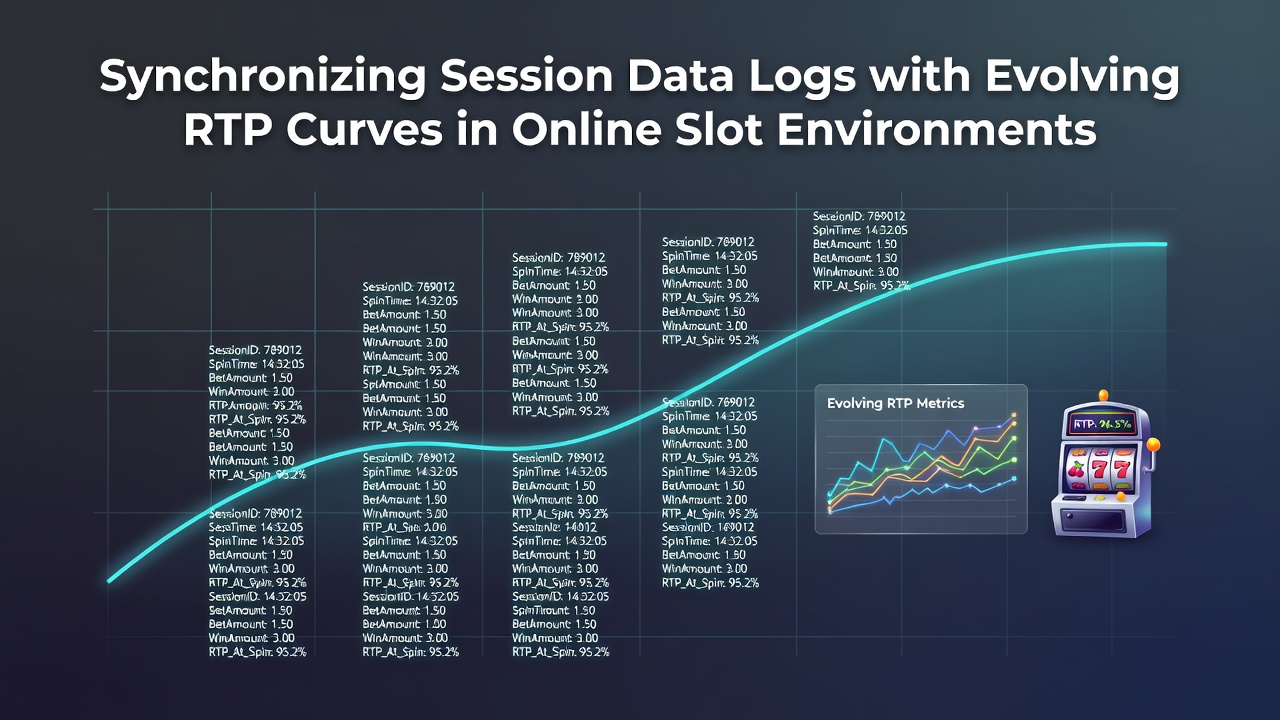
Online slot platforms maintain extensive records of every spin, wager, and outcome within individual player sessions, and these logs must align precisely with return-to-player percentages that can shift based on game configuration or regulatory requirements. Operators collect timestamped entries for bet amounts, reel positions, bonus triggers, and payout values, then compare cumulative results against the theoretical RTP curve defined during game certification. This synchronization process allows systems to detect deviations early, whether from software updates, network latency, or unintended interactions between multiple game modules.
Core Components of Session Logging Architecture
Modern logging frameworks capture data at the transaction level rather than aggregating at the end of each round, which means each reel stop, random number generator seed, and multiplier application receives its own record with unique identifiers. Researchers at institutions such as the University of Nevada, Reno have documented how these granular entries feed into larger datasets used for compliance verification and performance benchmarking. When RTP curves evolve because operators introduce new paytables or adjust volatility settings, the same session logs provide the baseline against which updated theoretical returns are measured.
Database schemas typically store player identifiers alongside game identifiers and session identifiers, creating relational links that permit queries spanning thousands of spins without loss of chronological order. And because many jurisdictions require retention of these records for several years, indexing strategies focus on rapid retrieval during audits while maintaining encryption standards that protect personal information.
Mechanics of RTP Curve Evolution
RTP percentages in certified slot titles are not static values printed once on a game sheet; instead they represent calculated expectations derived from millions of simulated spins, and operators may request parameter changes that alter those expectations over time. When such modifications occur, historical session data must be reprocessed against the new curve to confirm that actual returns remain within acceptable tolerance bands. Data from the New Jersey Division of Gaming Enforcement indicates that platforms handling high volumes of concurrent sessions perform these recalibrations through batch processing during off-peak hours to avoid interrupting active play.
Adaptive RTP implementations, where the percentage can vary within a certified range depending on accumulated player activity or promotional triggers, add another layer of complexity. Each change point in the curve requires a corresponding marker in the session log so that later analysis can segment results before and after the adjustment. Observers note that failure to maintain these markers leads to mismatched reports when regulators request segmented RTP disclosures.
Technical Synchronization Methods
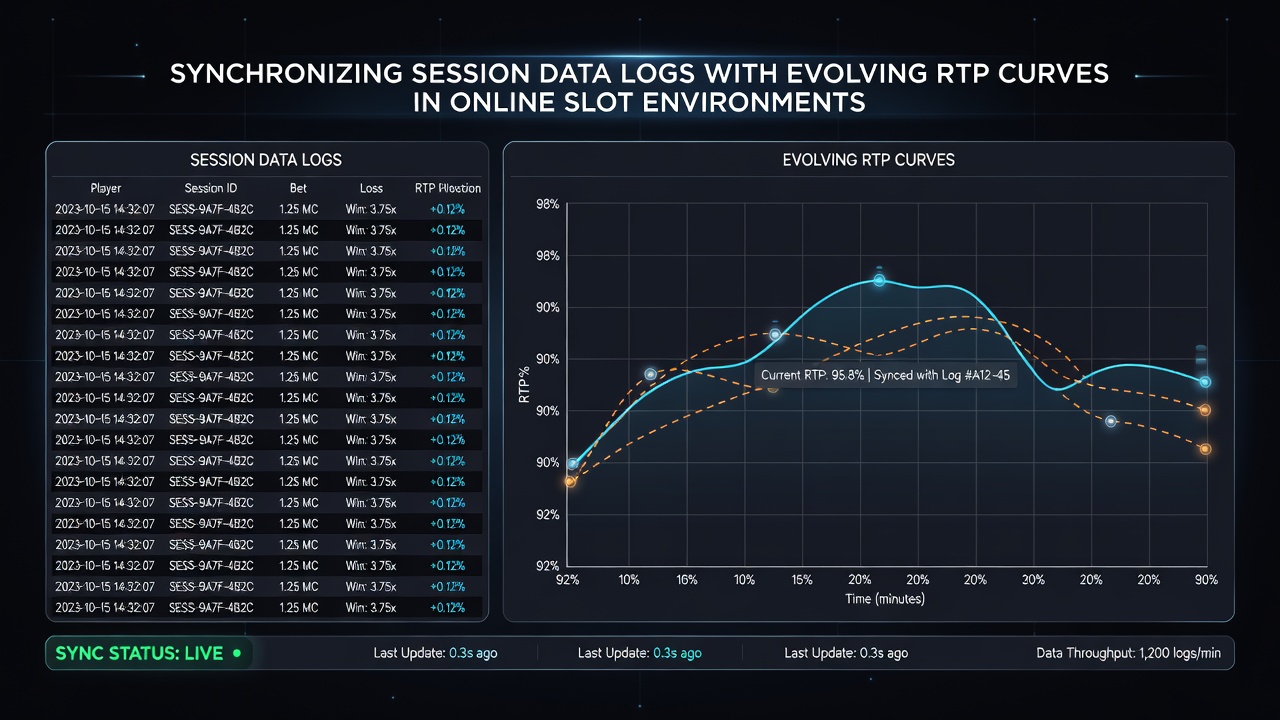
Reconciliation engines run continuous comparisons between logged outcomes and the current RTP model, flagging any statistical outliers that exceed predefined thresholds. These engines operate on sliding windows of recent activity, allowing earlier sessions to remain untouched while newer data reflects the evolved curve. In July 2026 several major platform providers introduced timestamped curve version tags that attach directly to each session record, simplifying the task of matching historical logs with whichever RTP parameters were active at teh moment of play.
API endpoints exposed by game servers push log entries into centralized analytics clusters in near real time, where machine-learning routines identify patterns that might indicate either game malfunction or deliberate manipulation attempts. The same clusters generate the periodic RTP attestation reports required by oversight bodies across multiple regions. Because the underlying data structures support both forward and backward compatibility checks, operators can apply a revised curve to an entire archive without rewriting every stored entry.
Regulatory Reporting Implications
Compliance teams rely on synchronized datasets to produce the monthly and quarterly filings that list actual versus theoretical returns for every active title. When an RTP curve changes mid-quarter, reports must clearly delineate the periods governed by each version, and session logs supply the exact demarcation points. Figures from the Ontario Lottery and Gaming Corporation demonstrate that platforms maintaining version-tagged logs experience fewer follow-up queries during regulatory reviews.
Third-party testing laboratories also access these synchronized records when conducting post-certification audits, verifying that live performance continues to match the parameters approved during initial evaluation. Any discrepancy between logged results and the active curve triggers a formal investigation that may require game suspension until the mismatch is resolved.
Conclusion
Effective coordination between session data logs and evolving RTP curves rests on precise timestamping, version control, and relational data structures that survive both routine updates and regulatory scrutiny. Platforms that embed curve identifiers within each log entry reduce reconciliation errors and accelerate the production of required reports. As online slot environments continue to incorporate more frequent parameter adjustments, the ability to maintain alignment between recorded outcomes and theoretical models remains central to operational integrity across the sector.