Coordinating Bonus Offers Across Multiple Casino Operators
Hugo Reed · Aug 23, 2026
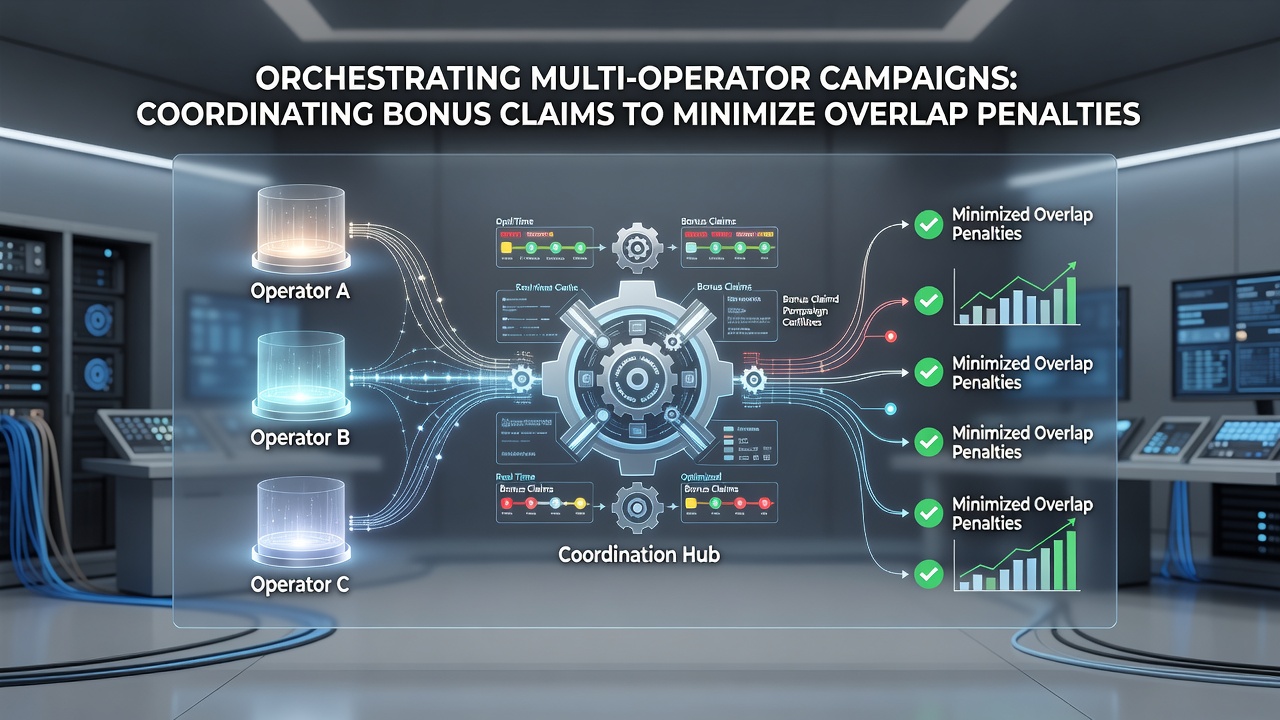
Coordinating Bonus Offers Across Multiple Casino Operators
Operators in the online gambling sector manage campaigns that span several platforms at once, and players who claim bonuses from multiple sources must track terms carefully to prevent conflicts. Data from industry reports indicate that overlap occurs when promotional periods, wagering requirements, and eligible game lists intersect across different operators, which can trigger account reviews or bonus forfeitures. Regulatory frameworks in various jurisdictions require clear disclosure of these conditions, and figures from the European Gaming and Betting Association show that coordinated tracking systems reduce such incidents by measurable margins in tracked markets.
Understanding Overlap Mechanics in Multi-Operator Promotions
Each casino sets its own bonus rules, yet when players engage with several sites during the same window, shared elements like deposit timing or game selection create friction points. Research published by the American Gaming Association highlights how simultaneous claims on slots or table games often violate individual operator policies because the same playthrough activity counts toward multiple promotions. Observers note that software tools for logging claim dates, bonus codes, and remaining wagering balances help maintain separation between campaigns, and those systems draw on timestamps to flag potential overlaps before they escalate.
Tracking Systems and Data Management Practices
Modern platforms provide player dashboards that record bonus activation dates alongside deposit histories, and third-party applications extend this capability across operators by pulling data through APIs where permitted. A study from the University of Nevada, Reno gaming research center found that structured spreadsheets or dedicated apps lower the rate of accidental violations compared with manual memory alone. Those who've examined large datasets observe that players who update logs daily maintain clearer records than those who review activity weekly, and the difference appears in fewer compliance flags during routine audits.

August 2026 brings updates to several operator terms that tighten rules around concurrent promotions, particularly for welcome bonuses and reload offers that share similar game weighting structures. Industry analyses project increased use of centralized monitoring dashboards as operators align their systems with new technical standards set by regional gaming authorities outside the UK. Participants in these campaigns report that early registration of each bonus code, combined with separate bankroll segments, keeps activities distinct while still allowing full utilization of available promotions.
Case Examples from Operational Records
One documented case involved a player who activated a deposit match on site A and a free spin package on site B within 48 hours, only to discover that the same set of spins contributed to both wagering meters. The overlap triggered a review process that resulted in partial forfeiture on the second site, according to anonymized compliance summaries shared at industry conferences. Another instance showed that staggering activation dates by at least five days, while selecting games with differing contribution percentages, avoided the same outcome in subsequent cycles. Data indicates these adjustments correlate with higher completion rates for full bonus cycles across multiple operators.
Regulatory Perspectives on Coordinated Claims
Gaming control boards in several North American and Australian jurisdictions require operators to maintain records that demonstrate fair treatment of players who participate in cross-platform promotions. Reports from the Australian Communications and Media Authority note that transparent communication of overlap risks forms part of responsible gambling measures, and similar expectations appear in Canadian provincial frameworks. Those requirements encourage operators to publish clear calendars of active promotions, allowing players to plan claim sequences without unintended intersections.
Practical Coordination Techniques
Effective approaches include maintaining a shared calendar that lists every active bonus start and end date alongside its unique wagering target. Players often assign specific payment methods to individual operators to simplify transaction tracking, and they review terms for game contribution rates before activation. Evidence from operational audits reveals that documenting each step in a single master file reduces errors when campaigns run in parallel. What's more, setting internal alerts five days before any bonus expires helps confirm that all playthrough activity remains allocated to its intended promotion.
Conclusion
Coordinating bonus claims across multiple operators demands consistent record-keeping and attention to each site's distinct rules. Available data and regulatory guidance show that systematic tracking lowers the likelihood of overlap penalties while preserving access to promotional value. As operators refine their systems through 2026 and beyond, players who adopt structured management practices position themselves to navigate these campaigns with greater clarity.