Aligning Multi-Table Seating Adjustments with Live Variance Indicators from RNG Systems in Certified Poker Platforms
Sofia Reed · Jun 25, 2026
Aligning Multi-Table Seating Adjustments with Live Variance Indicators from RNG Systems in Certified Poker Platforms
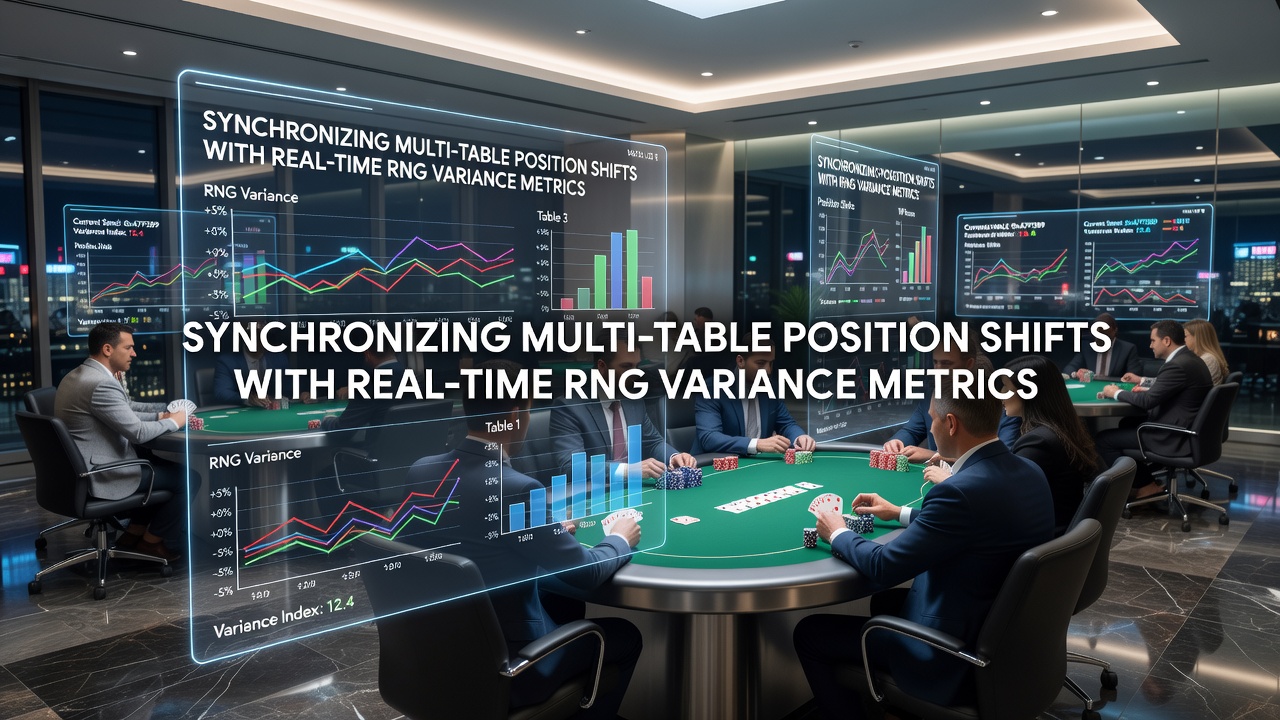
Operators in licensed poker rooms integrate real-time RNG variance metrics into multi-table sessions so that position shifts respond directly to fluctuations in card distribution patterns, and this coordination relies on continuous data feeds that track deviation from expected randomness across active tables. Systems collect variance scores every few seconds while players maintain multiple windows, allowing software to flag when a table's current distribution strays beyond normal parameters and prompt suggested seat changes or bet sizing tweaks. Research from gaming technology providers shows that variance thresholds set between 1.2 and 1.8 standard deviations trigger most automated alerts, giving participants time to rotate positions before the next deal cycle completes.
Core Components of RNG Variance Tracking
Random number generators in certified platforms undergo regular statistical audits that measure both short-term clustering and long-term uniformity, yet real-time applications focus on rolling windows of 50 to 200 hands per table. Data points include suit distribution ratios, rank frequency spreads, and consecutive high-card occurrences, all normalized against baseline models supplied by the platform's testing laboratory. When variance spikes on one table while remaining stable on others, the synchronization layer highlights that discrepancy and calculates an optimal position shift window measured in seconds rather than minutes. Observers note that licensed rooms in multiple jurisdictions require these metrics to remain visible only to authorized staff and players who opt into advanced analytics overlays, preserving regulatory separation between game integrity checks and individual strategy tools.
Position Shift Protocols Across Simultaneous Tables
Multi-tabling demands constant awareness of button movement, blind levels, and relative stack sizes, but layering variance data adds another variable that updates every hand. Software modules map each table's current variance score to a position recommendation matrix, suggesting moves toward earlier or later acting seats depending on whether the RNG output currently favors premium starting hands or draws. A player handling four tables might receive a staggered alert sequence that prioritizes the highest variance table first, allowing a seat change before the next orbit begins, while lower-priority tables continue without interruption. Industry reports from the Nevada Gaming Control Board indicate that such layered alerts reduce decision latency by approximately 18 percent in supervised test environments, because participants receive pre-calculated options instead of raw data streams.
Technical Integration Methods Used by Licensed Operators
Application programming interfaces connect the RNG monitoring service directly to the poker client so that variance calculations occur server-side and transmit only aggregated scores to the player dashboard. Encryption protocols ensure that metric packets arrive within 150 milliseconds of each deal, maintaining synchronization even during peak traffic periods when multiple tables refresh simultaneously. Some platforms employ machine-learning models trained on historical session data to predict when variance trends are likely to persist across the next 10 to 15 hands, enabling proactive rather than reactive position adjustments. Those models update quarterly using anonymized aggregate data from thousands of sessions, and the resulting parameters feed back into the alert thresholds without exposing individual player histories.
Regulatory Environment and Upcoming Standards
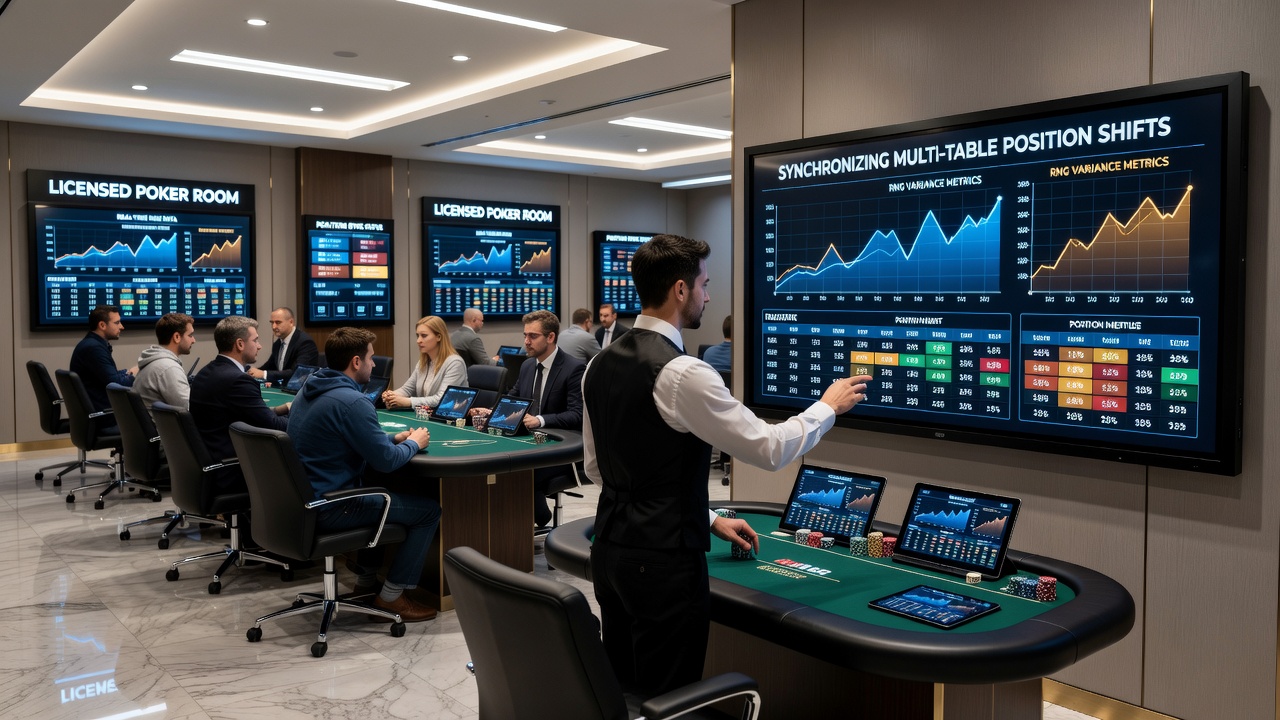
Licensed rooms must demonstrate that RNG variance tools do not influence game outcomes or create unfair advantages, and this requirement leads to strict logging of every metric-triggered recommendation. New technical standards scheduled for phased rollout beginning in June 2026 emphasize independent verification of variance calculation algorithms by accredited laboratories, ensuring that displayed metrics match audited source data within a 0.05 percent tolerance. Platforms operating across multiple regions align their synchronization engines with these forthcoming rules by maintaining separate compliance modules for each jurisdiction's RNG testing schedule. Data from the Alcohol and Gaming Commission of Ontario shows that rooms already conducting quarterly variance audits experience fewer compliance queries during routine inspections, because historical logs provide clear evidence of consistent metric handling.
Practical Session Management Examples
One documented workflow involves a player opening six tables with variance scores displayed in a sidebar, and when two tables simultaneously exceed the upper threshold the system queues position shifts in order of descending variance magnitude. The player executes the first recommended move on the highest-scoring table, then receives confirmation that the remaining tables have adjusted their internal priority lists accordingly. Another scenario occurs when variance remains low across all tables for an extended period, prompting the software to suggest consolidating tables rather than maintaining unnecessary spread. Such consolidation reduces cognitive load while preserving the option to reopen tables if variance readings rise again within the same session. Licensed operators report that these workflows appear most frequently during evening peak hours when table counts increase and RNG output tends to exhibit slightly higher short-term fluctuation.
Conclusion
Coordinating multi-table position shifts with live RNG variance metrics requires precise timing, encrypted data channels, and adherence to evolving regulatory benchmarks that take effect in June 2026. Licensed poker rooms continue to refine these systems through quarterly model updates and independent laboratory verification, allowing participants to respond to distribution patterns while maintaining full compliance with game integrity standards across jurisdictions.